How a Landlord Attorney Can Aid You Navigate Difficult Tenant Disputes
Maneuvering tenant disputes can be a facility and intimidating job for property managers. Problems such as non-payment, lease infractions, and even the eviction procedure typically call for a nuanced understanding of landlord-tenant laws. A landlord lawyer provides important know-how in these scenarios. They examine disputes, provide critical services, and warranty compliance with lawful demands. However, recognizing when to seek their support can be important. The next steps can greatly affect the result of any kind of conflict.
Comprehending Landlord-Tenant Legislation
Comprehending landlord-tenant regulations is vital for both renters and proprietors to browse their legal rights and duties effectively. These legislations vary by jurisdiction however generally outline the obligations of each event regarding home upkeep, rent settlement, and eviction procedures. Landlords need to supply habitable living problems and regard renters' privacy, while lessees are called for to pay rental fee on schedule and preserve the residential or commercial property. Experience with these regulations aids stop disputes and advertises unified relationships. In addition, expertise of tenant protections, such as security down payment laws and anti-discrimination regulations, can equip occupants. For proprietors, comprehending lawful option in case of lease infractions is important. On the whole, a strong understanding of landlord-tenant legislations promotes a reasonable and balanced rental experience for both parties included.
Assessing the Nature of the Dispute
When a disputes develops between a property owner and tenant, examining the nature of the conflict is vital for figuring out the suitable course of action. Disputes can vary from lease offenses, building upkeep concerns, to disagreements over down payment or eviction procedures. Each kind of conflict requires a customized approach. A comprehensive evaluation includes celebration relevant paperwork, such as lease agreements and interaction documents, to establish the realities. In addition, comprehending the motivations and concerns of both celebrations can supply insight into prospective resolutions. This foundational examination is essential, as it informs the proprietor's lawyer on just how to ideal advocate for their customer, making certain that the proprietor's rights are safeguarded while going for an equitable end result.
Approaches for Handling Non-Payment Issues
Various methods exist for property managers to address non-payment problems successfully. Initially, open interaction is necessary; proprietors need to connect to occupants to comprehend their monetary circumstance. Adaptable payment strategies can be offered, allowing lessees to pay past due rent in convenient installments. Furthermore, property managers might take into consideration supplying motivations for prompt payments in the future, such as discount rates or forgoing late costs. Recording all agreements and communications is important for lawful protection and quality. Property owners can seek mediation solutions to facilitate discussions if necessary. Inevitably, if these strategies fail, pursuing lawsuit may be necessitated, but it must be seen as a last option. By using these approaches, proprietors can possibly resolve non-payment concerns agreeably and efficiently.
Dealing With Lease Violations Properly
Addressing lease violations requires a clear understanding of what makes up a violation of the rental arrangement - San Jose Rental Property Legal Advice. Determining certain lease offenses is crucial for property owners to take proper activity. Additionally, discovering the legal remedies readily available can assist guarantee that proprietors safeguard their civil liberties effectively
Determining Lease Violations
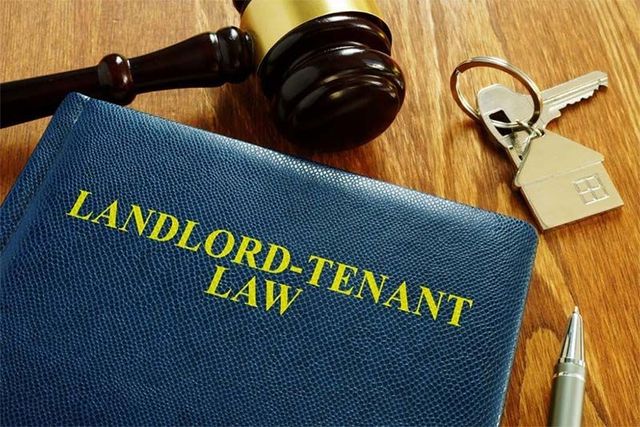
A keen eye for information enables property owners to spot these concerns early, facilitating punctual resolution. Documenting infractions via photographs, written notices, and correspondence can offer important evidence if disputes emerge. Open communication with occupants about worries and expectations also plays an essential role in identifying concerns before they escalate. By dealing with infractions without delay and relatively, proprietors can promote count on and participation, ultimately adding to an extra favorable rental experience for both celebrations.
Lawful Remedies Readily Available
When lease infractions take place, property owners have numerous lawful solutions offered to address these concerns efficiently. One typical remedy is releasing a formal notice to the tenant, laying out the certain offense and supplying a duration for improvement. If the tenant falls short to abide, property managers might seek eviction procedures, depending on regional regulations (Steven Adair MacDonald & Partners PC). Additionally, property managers can look for monetary problems for any kind of monetary losses incurred because of the violation. Arbitration is an additional alternative, permitting both celebrations to discuss a resolution without lawsuits. If violations are extreme or repetitive, landlords might additionally take into consideration lease discontinuation. Consulting a property owner attorney can supply support on the ideal strategy, making certain that all solutions straighten with appropriate legislations and policies
The Expulsion Process and Legal Considerations
The eviction process can differ substantially by territory, it usually follows a structured legal framework that proprietors have to stick to in order to secure their rights. Originally, property owners have to offer lessees with an appropriate notice, specifying the factor for eviction and offering them an assigned duration to fix the circumstance or vacate the premises. If the tenant fails to abide, landlords can submit an eviction lawsuit in the appropriate court. Upon getting a judgment, property managers might acquire a writ of belongings, permitting them to reclaim their home. It is essential for property managers to recognize local legislations and laws governing the eviction procedure, as improper procedures can lead to hold-ups or dismissal of the instance, endangering their ability to gain back ownership.
Documentation and Record Maintaining
Effective documentation and record maintaining are essential for proprietors taking care of tenant disputes - Landlord Attorney. Precise documents give a clear timeline of occasions, consisting of interaction, lease contracts, and repayment backgrounds. This details can be important in solving disputes and demonstrating conformity with lawful responsibilities. Landlords must preserve comprehensive notes on tenant interactions, consisting of any kind of issues, upkeep requests, and actions. Maintaining copies of all communication, such as e-mails and letters, guarantees that there is discover this a dependable reference for any type of problems that might develop. In addition, pictures of home conditions can act as critical proof in disputes. By systematically arranging these records, proprietors can successfully support their placement and navigate obstacles with confidence, thus reducing misunderstandings and fostering a more favorable landlord-tenant relationship
When to Seek Lawful Representation
At what factor should a property manager think about looking for legal depiction for tenant disputes? Landlords must contemplate lawful support when disputes rise beyond simple arguments. Circumstances such as non-payment of rental fee, lease violations, or damages to residential property might require expert treatment. When interaction with the tenant breaks down or becomes ineffective, a lawyer can offer quality and approach. If the proprietor expects eviction procedures or prospective litigation, engaging legal counsel is important to guarantee compliance with local laws. Furthermore, property managers encountering harassment claims or discrimination accusations must look for instant lawful help to protect their rate of interests and rights. Inevitably, early consultation with a lawyer can help alleviate dangers and facilitate a more desirable resolution.
Frequently Asked Concerns
Exactly How Much Does Employing a Landlord Attorney Commonly Price?
Employing a proprietor lawyer typically sets you back between $150 to $500 per hour, depending upon the lawyer's experience and place. Some might provide flat costs for certain services, which can differ commonly based upon the complexity of the case.
Can a Landlord Attorney Represent Me in Small Claims Court?
Yes, a proprietor attorney can represent customers in little claims court. Their experience assists guarantee appropriate legal procedures are adhered to, boosting the possibility of a desirable end result in disputes with occupants over various concerns.
What Qualifications Should I Try to find in a Property owner Attorney?
When looking for a property owner lawyer, one should prioritize qualifications such as appropriate lawful experience, specialization in landlord-tenant regulation, favorable customer testimonials, strong arrangement skills, and experience with regional regulations and court treatments.
How much time Does the Expulsion Refine Usually Take With Legal Support?
The eviction procedure normally takes in between three to six weeks with lawful assistance, depending upon regional laws, court schedules, and the complexity of the case, guaranteeing a much more efficient resolution for property owners facing tenant disputes. - Steven Adair MacDonald & Partners PC
What Should I Bring to My First Meeting a Landlord Attorney?

Navigating tenant disputes can be a facility and daunting task for property owners. When a disputes develops between a proprietor and tenant, reviewing the nature of the problem is crucial for determining the appropriate course of activity. If the tenant falls short to abide, proprietors might go after eviction proceedings, depending on local regulations. Efficient paperwork and document maintaining are vital for property managers handling tenant disputes. Landlord Attorney. At what factor should a property manager take into consideration seeking legal representation for tenant disputes?